Better Health Begins with Clari
Remove harmful substances from your body through the power of Subtractive Medicine.
One procedure. Multiple benefits.
Our body's reaction to any toxin is an activated immune system. Chronic exposure to toxins results in a dysregulated immune response, which has adverse health consequences associated with chronic diseases. Clari reduces circulating inflammatory mediators that drive chronic systemic inflammation.
Cancer
Autoimmune Disorders
Neurological Conditions
Psychological Disorders
Infertility
The Benefit of Subtraction
Your body heals best without the interference of invasive chemicals and toxins that build up over time, triggering inflammation. Our life-saving Clari device is built on decades of development, and removes what disrupts your system, instead of masking your symptoms with temporary solutions that don’t address the root problem.
No drugs. No donor plasma. Just revitalization and restoration.
Meet Clari
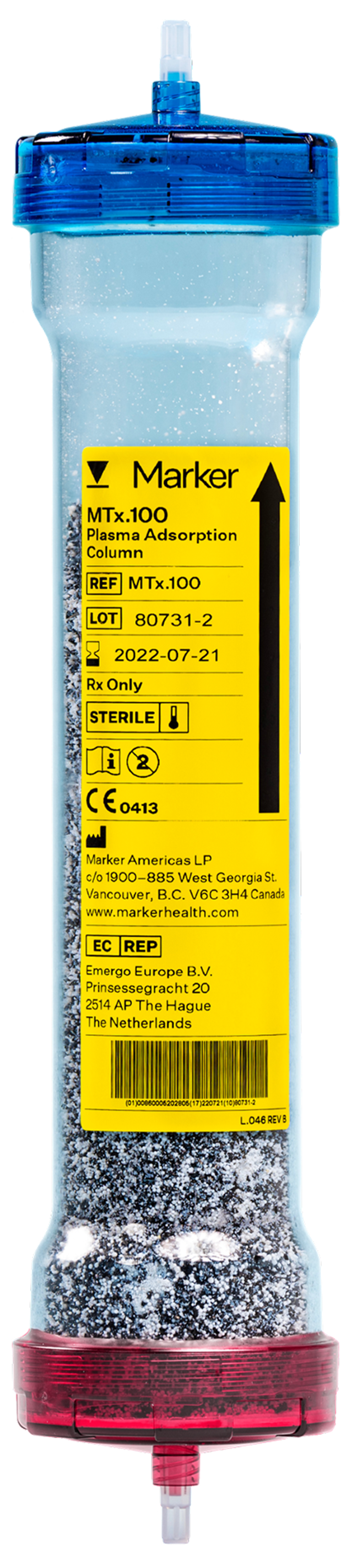
A therapeutic plasma adsorption procedure that optimizes your health with Marker’s(CE) lifesaving technology using the MTx.100 column.
MTx.100
Built on Decades of Development
Initially designed and successfully implemented for critically ill patients in the ICU, and built on decades of development, Clari by Marker(CE) has shown significant survival benefits with no adverse immune responses, immunosuppression, or increases in other acquired infections.
What is Adsorption?
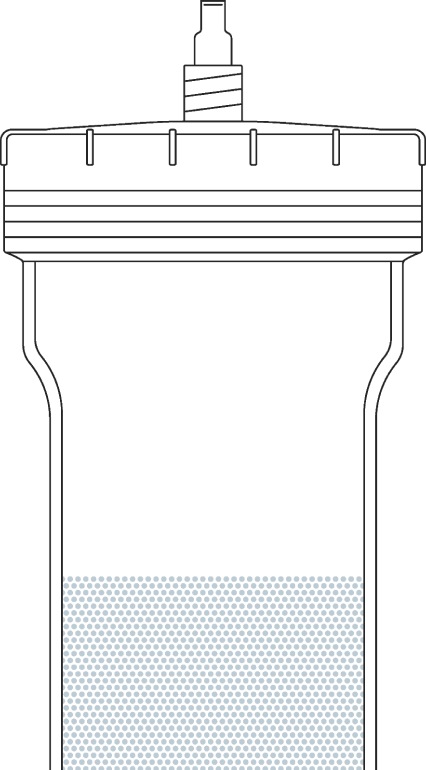
Though they sound similar, absorption and adsorption are two very different processes. Absorption is when a substance soaks into another material, like a sponge soaking up water. This process is limited to the fixed volume of the sponge. Adsorption is when a substance sticks to a material’s surface, like dust sticking to tape. The larger the surface area, the more dust can stick.
Our patented blend of adsorptive media provides an area of 200,000m². To put it in perspective, this means that our column has the surface area equivalent to 37 American football fields (or 28 soccer fields). Clari by Marker was specifically designed to selectively remove drug overdose, toxins and poisonings without removing antibodies, electrolytes, coagulation factors, cell signaling molecules or albumin.
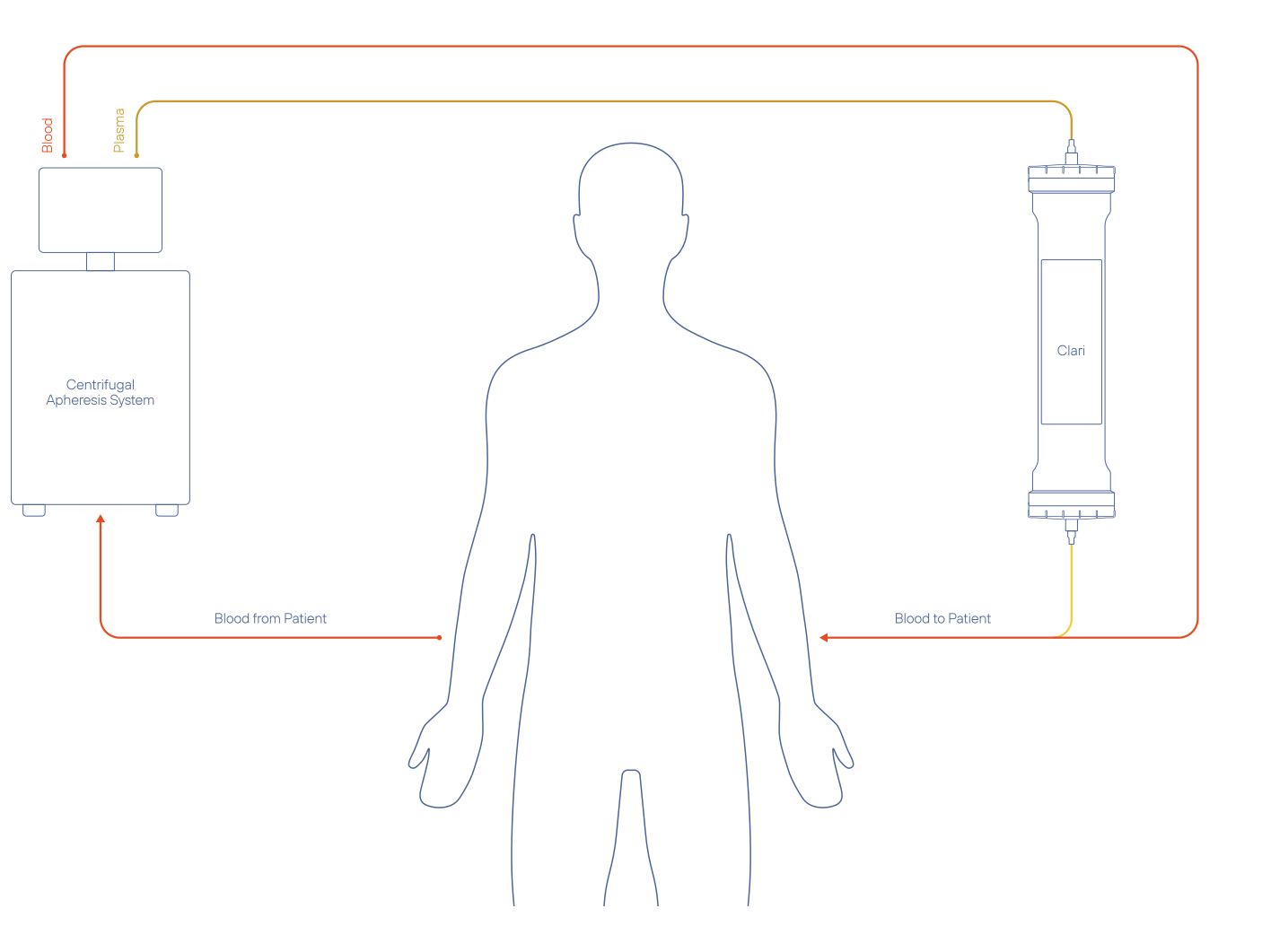
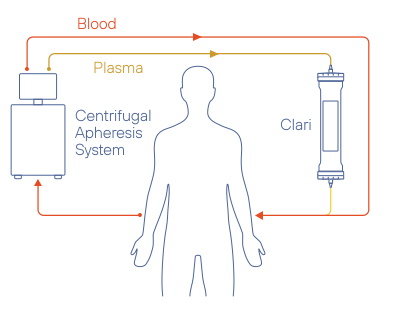
The Clari Loop
The Data
Measurable change after a single Clari procedure*
How We Help
Frequently Asked Questions
What is considered a toxin?
Toxins can refer to a broad range of harmful substances that negatively affect human health depending on the dose and exposure. Some examples of the toxins Clari removes include microplastics, drug overdoses, PFAS, manmade chemicals, pollution and metabolic waste.
How does Clari help with microplastics?
The Clari Procedure removes microplastics and other synthetic particles greater than 5 microns circulating in your plasma. These particles are increasingly being detected in human blood, organs, and tissues, and are known to contribute to inflammation, oxidative stress, and overall toxic burden.
As part of your Clari Procedure, we also offer advanced laboratory testing before and after your procedure to measure your circulating microplastics levels. This allows us to quantify your baseline burden and track the reduction following treatment.
Does Clari remove PFAS, forever chemicals and endocrine disruptors?
Yes, Clari does remove many endocrine-disrupting and forever chemicals (for example, paraquat and PFAS) circulating in plasma. While no procedure fully eliminates lifetime of PFAS exposure, Clari offers a powerful way to reduce ongoing circulating burden in the bloodstream.
Does Clari remove any good things from my plasma?
No. Clari is designed to remove what shouldn’t be there while retaining what should. Clari retains most of your circulating antibodies (a large component of your immune system), electrolytes, albumin, coagulation factors, and cell signaling factors to maintain your unique metabolic stability and immunity.
Does Clari remove bacteria, viruses, or mold?
We have not specifically tested the ability of the MTx.100 column to remove bacteria, viruses or mold, as there are so many individual species. We have performed successful procedures on mild and ICU admitted severe patients across all three infections.
What is recovery like? Is there any downtime?
The Clari Procedure is generally very well tolerated. Most patients are able to return to normal activities the same day.
Some individuals report feeling lighter, clearer, or more energized shortly after the procedure. Improvements in sleep quality, mental clarity, and overall sense of well-being are also commonly noted in the days that follow. However, everyone’s response is different.
As the body adjusts, some patients may experience symptoms such as fatigue, headache, body aches, or flu-like sensations lasting from a day up to a week. These effects are typically short-lived and resolve without any medical intervention required. Both responses are completely normal and are not a reflection of how effective the procedure was.
After a Clari procedure, we recommend staying well-hydrated, avoiding strenuous activity for 48 hours, remaining gently active by prioritizing movement like walking and avoiding sitting and lying down for long periods of time during your waking hours. Patients will receive simple post-procedure care guidelines, which we will review with you before your appointment.
If you’re planning to travel or have specific scheduling needs post-procedure, please let us know as we have a specific travel policy for 48 hours on either side of the procedure.
What is the difference between the protocols?
The MTx.100 column is the same column used for every protocol. No matter your condition, the Clari procedure remains the same, although its frequency is tailored to your unique needs.
How is this different from TPE?
Clari is selective subtractive medicine, removing what shouldn’t be there so the body can function optimally. Unlike therapeutic plasma exchange (TPE) where your own plasma is thrown away and replaced with a dilutionary mixture of human-derived albumin and saline, we return your selectively cleaned plasma directly to you. This retains most of your circulating antibodies, electrolytes, albumin, coagulation, and cell signaling factors to maintain your unique metabolic stability and immunity.
How is this different from EBOO?
While both EBOO (Extracorporeal Blood Oxygenation and Ozonation) and the Clari procedure involve extracorporeal blood circulation, they are fundamentally different in both purpose and technique.
EBOO is a form of ozone therapy on whole blood. The intent is to create an oxidative environment in the blood that is toxic to circulating pathogens (bacteria, viruses, and fungi). In this procedure, blood is drawn from the body, mixed with ozone and oxygen gas, filtered to remove killed pathogens, and returned to your body. Its regulatory status varies significantly by country.
The Clari procedure, by contrast, does not add anything to your blood or use ozone. It is a plasma-only procedure using a selective adsorption column, specifically the CE-marked, Marker MTx.100, which gently removes drug overdoses, toxins, and poisons from your plasma. Your cleaned plasma is then immediately returned directly to you, intact, minus these removed substances.
Don't see what you're looking for?